EASY ACTIVITIES TO BUILD YOUNG BRAINS: MAKE A WATERMELON WHALE.

IMG_4827

Pumpkin carving has captured the imagination of generations, but in the heat of an Australian summer it seems far more appropriate to carve a watermelon whale:

IMG_4734

  • Firstly obtain a whole watermelon. (Most supermarkets will have them available; just ask if there are any out back if there are only pre-cut ones on the shelf)
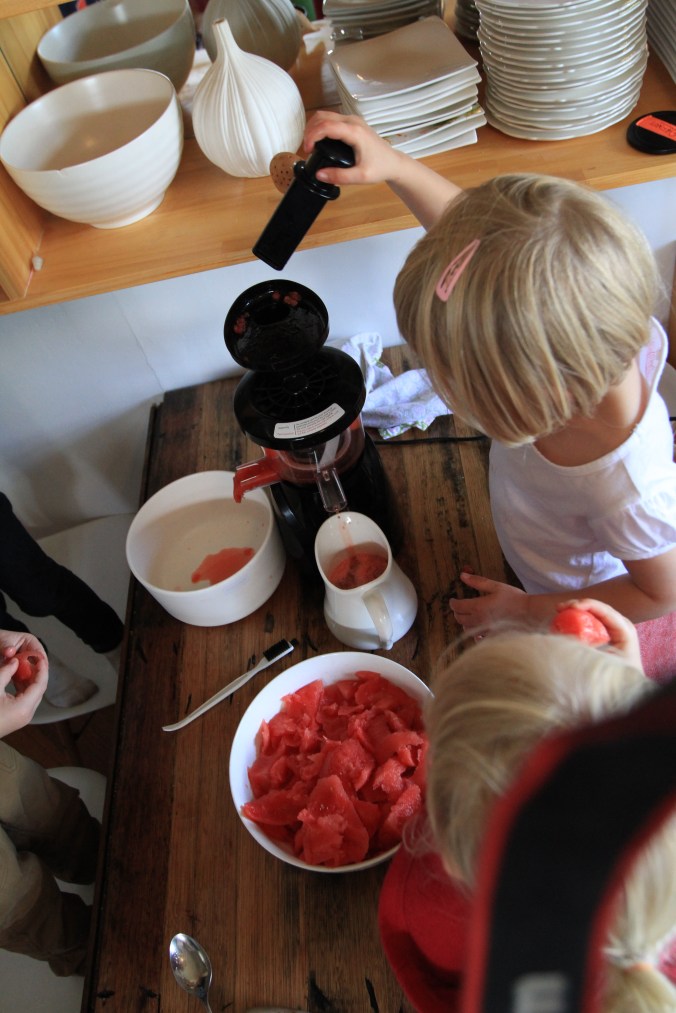
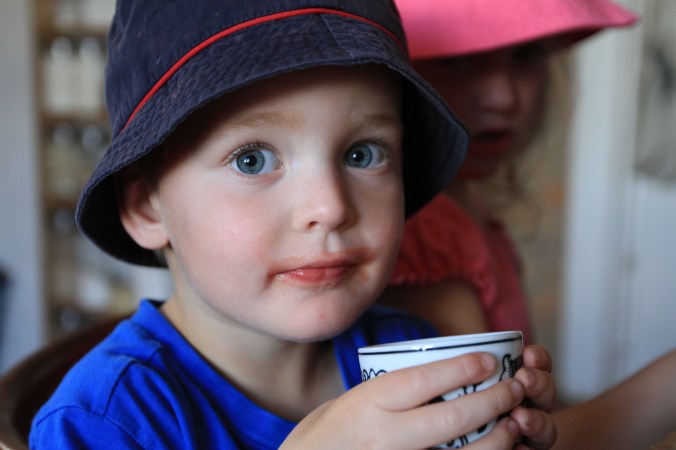
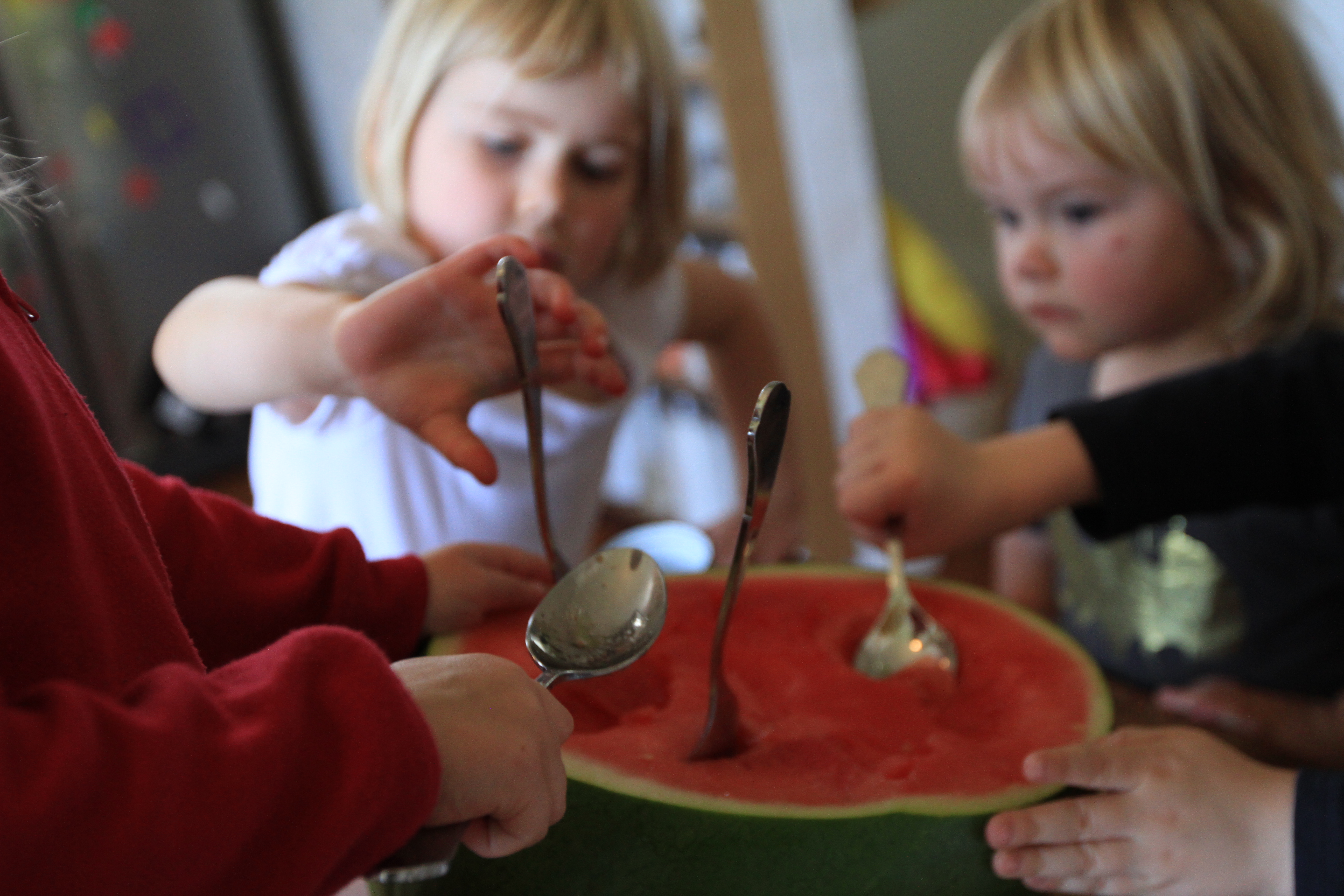
  • Cut off the base and have the children scoop out the flesh. (This flesh can go strait into the juicer to make a refreshing beverage – obviously this was much enjoyed as the productive little people set up a production line taking turns to make the juice!)

IMG_4740IMG_4750

  • Cut a ‘mouth’ wedge from the front of your whale head. (Fashion some teeth at this point if you so desire)
  • Use part of the wedge that you have just removed (from the mouth) to fashion a dorsal fin (if your species of whale has a prominent one). We used the ‘base’ as a tail.
  • Cut some eyes and a blow hole (a good time to talk about how they are mammals like us and need to surface to breath).

IMG_4759

Congratulations, your whale is finished! Fill with fruit salad if you wish, surround with blue jelly water if you feel like a bit of extra sugar. (We put a candle in ours as a glowing lantern. (Anica recalled the tale of Pinocchio at this point, though others might be more inclined to go with a religious tale, or perhaps Moby Dick.)

IMG_4850

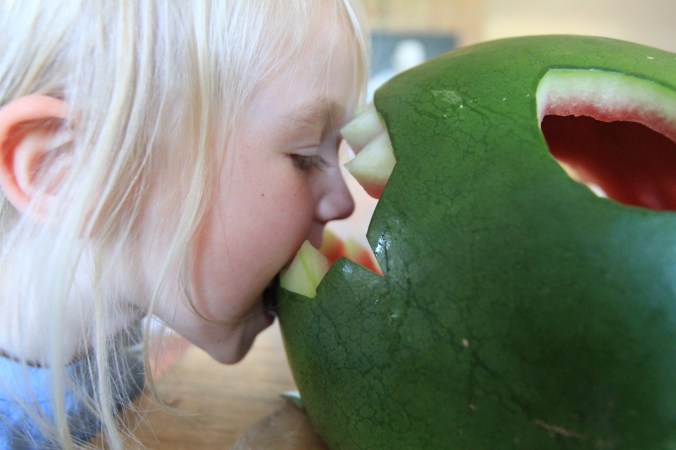
Our whale was carnivorous and Anica thought it was hilarious when it ‘ate her arm’ (she photo above). Elka, however was later found eating the whale’s teeth one by one, she REALLY likes her watermelon!

EASY ACTIVITIES TO BUILD YOUNG BRAINS: THE POWER OF THE WIND.

If the breeze is blowing grab a few craft supplies, your young engineers, and head down to Sullivans Cove Waterfront for an investigation into the invisible force that is wind.

IMG_3818

What you will need:

  • 4 paper cups
  • Strong cardboard (2 lengths about the shape of a ruler)
  • Pin (drawing pin, dress makers pin, or sewing needle)
  • Pencil (with rubber on top)
  • Tape
  • Scissors

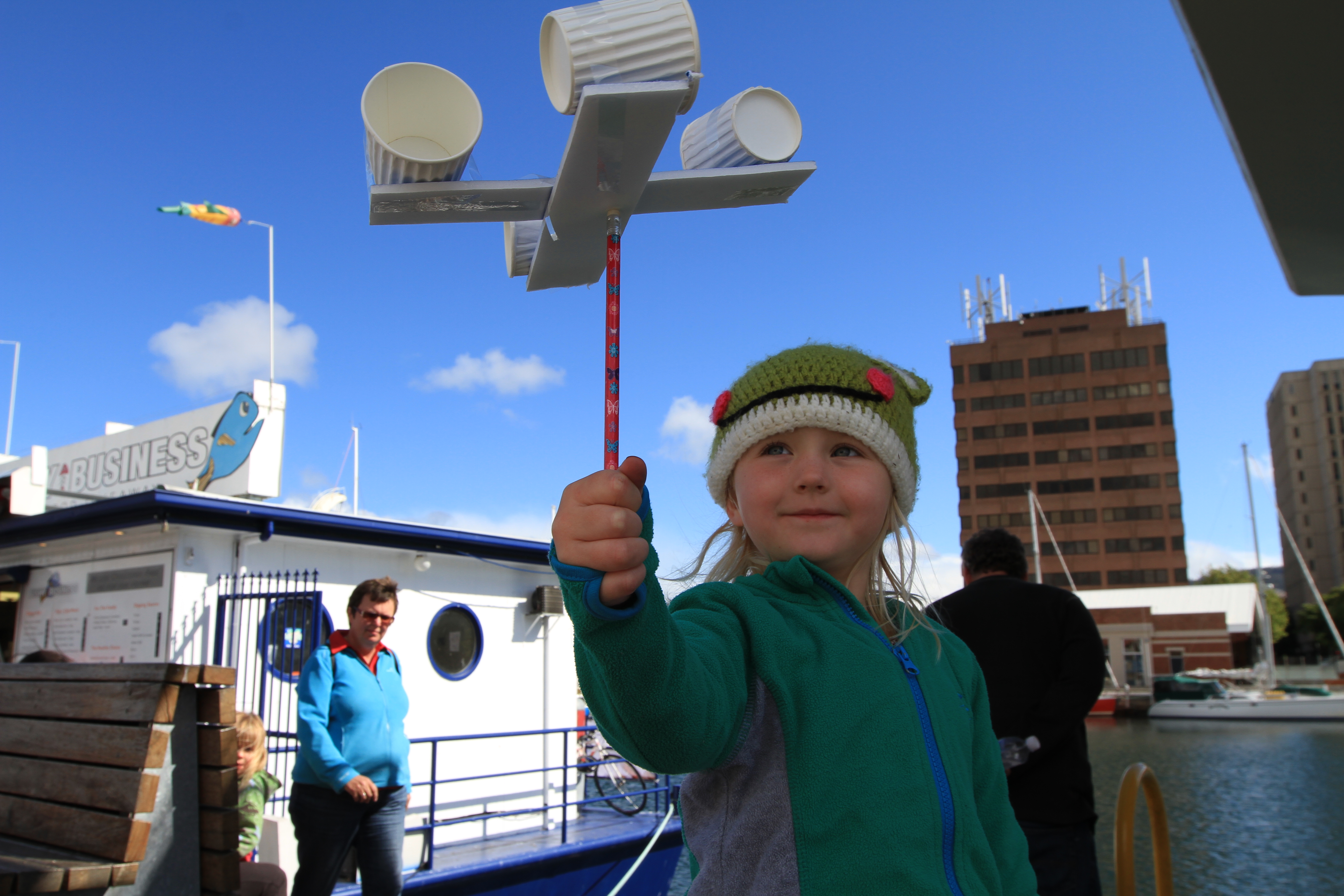
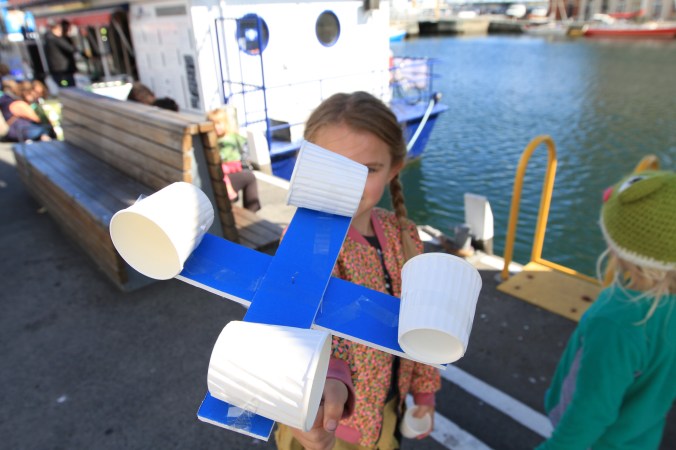
Make a cross with the 2 lengths of cardboard, and tape at the middle so they form a ridged and evenly spaced ‘X’

Tape a cup to the end of each of the ‘arms’ of the X (ensuring they are all facing the same way when it turns)

Place the pin though the centre of the X and attach it to the pencil (by sticking the pin into the rubber end of the pencil as in the picture).

IMG_3830

The X should now rotate freely and the cups should catch the wind to make it spin.

Finished! You just built a wind turbine (admittedly it is not turning anything at the base, but that is probably an engineering feat for slightly older children!)

Of course this is a great time to talk with kids about how the wind holds energy, and how that energy can be ‘caught’ and transferred through rotation to create power that we can use.

If you do this experiment on the waterfront you will be able to point out the wind turbines turning in the wind on top of the buildings.

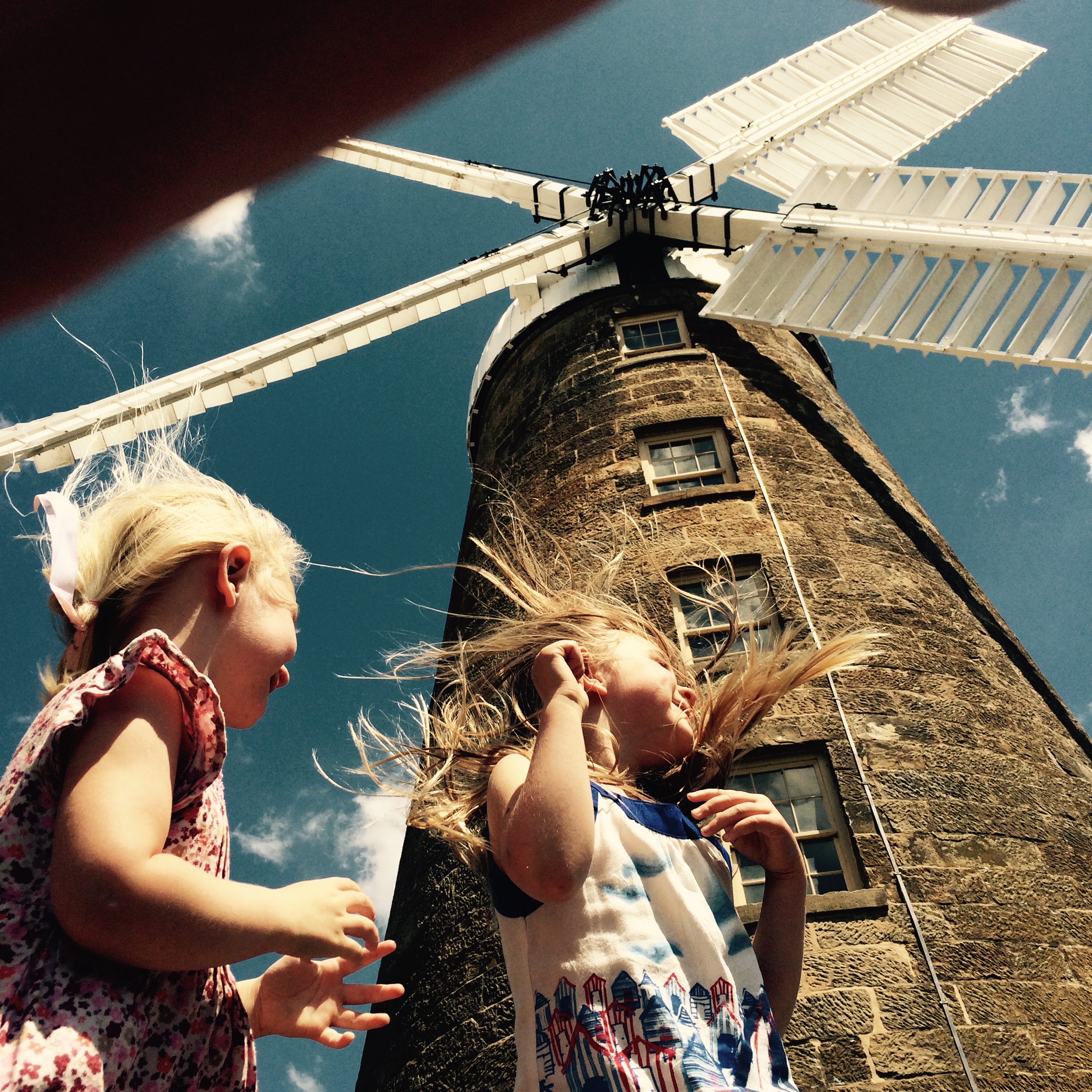
If you are venturing through the midlands (or feel like a day trip) you may like to visit the Callington Mill at Oatlands for this experiment. We visited this earlier in the year and being able to reference the internal cogs that they saw at the windmill really helped our kids understand that the rotation caused by catching wind was able to to run a ‘motor.’

FullSizeRender

We’ll show you how water can generate power in a post soon, so no worries if you don’t get to Oatlands today… that turbine action will come back into play soon with another little potential road trip!

HOW TO LIMIT SCREEN TIME WHILE BUILDING DIGITAL LITERACY.

IMG_3274

Screen time, it’s an issue that we all confront. An issue that is changing drastically in our kids short lifetimes. I highly recommend listening to this segment from our favourite radio host Ryk Goddard speaking with Professor Stephen Houghton on ABC Radio.

On the other hand we also want to prepare our kids for the future, and building their digital literacy is an important part of that. For a little listen on this front you might like to click over to this segment where ABC Radio’s Rachael Brown speaks with Jillian Kenny about how Australian students are chasing non-existent careers.

As many of you may know, I have spent a good deal of my life creating videos for a living. (Everything from film clips to schools programs on drug education – a wonderfully divers and mind-blowing job). Yet when I had my first child we didn’t let her watch TV or videos. Even now, with a 3 and a 5 year old, we still don’t have a TV at our home.

But this lack of TV does not mean we don’t have screen time, we indeed do have a wide range of screens in our house, and our young kids are no stranger to using them: They find their own audio books on the ipad, they send e-mails on the laptop, they draw letters on my phone (indeed they asked how I could have possibly learnt hand writing in the olden days when there were no ipads with LetterSchool to teach me!) and they also like a good deal of shows on iView (particularly when our oldest is suffering from her Arthritis, there is nothing quite like a movie to take your mind off feeling sore and sick!)

While I certainly don’t believe kids should spend their entire lives waiting for the next show, I do think that screen time comes in a range of different levels of educational quality, and while we are living in such changeable times that there is no clear research from the past that we can accurately apply to the long term effects of what our kids are faced with today, this is how I have built my own personal philosophy on screen time:
IMG_2013 IMG_2014

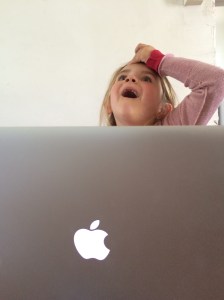
With less than 5% female representation among professional coders (and indeed; low representation across all technology fields) I actively want my daughters to be given every opportunity to “think like a coder”. Fortunately for us my brother is a software developer and has been able to introduce my children to the simple puzzles that allow them to gain the first basics of code. Like any activity for children, these games are fun, playful, challenging and lets them solve puzzles of increasing difficulty. Watching the intensity that my 5oy has when solving these puzzles I am in no doubt what so ever that her analytical brain is building at a rapid rate during this type of screen time. Puzzles that are programmed to respond and change individually with the child’s developing mind is far more advanced than ever before, and indeed personalised development supersedes any previous notion of following a precise generic sequence of puzzles laid out in a work book.

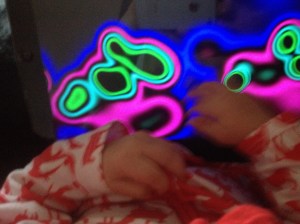
Physical interaction with the screen is something that is not taken into account with many of the previous studies done into kids watching TV. A 3 month old who is learning the finer points of controlling her fingers was held in front of a touch sensitive light pad, and her little arms went wild as she discovered the colours she could create by touching the screen. She explored fine details, sweeping motions and saw what her actions could make. Very few parents would be willing to let their 3 month old baby loose with finger paints, and yet this (less the valuable tactile squashy feeling she will get to experience a little later in life!) was exactly what she was doing. She was painting with light, learning physical control and the relationship between cause and effect. The ‘screen time’ was giving her an opportunity to do something that she would otherwise not have been able to do. Screen time will never replace the learning that is achieved with direct human interaction, but when used as an age appropriate tool (rather than a substitute) the learning potential is immense and to be encouraged.

This TED talk by Salman Khan is a great look at how screen time can assist rather than hinder in an older educational setting.
IMG_7493

Let’s sit and watch something. This is the one we all feel a little uncomfortable about, myself included, and yet in smaller doses I believe that this entertainment is a valuable and important part of growing up. In recent discussions about volcanos my 5yo clearly explained to me the cause of hot springs, volcanos, and tectonic plates (while she was missing some of the technical terminology, her understanding was surprisingly comprehensive!) I asked where she had learnt this – perhaps school? Or did her grandparents explain it to her? No, it was the “dinosaur train” – one of the shows my kids like that I am the least enthusiastic about but in watching it she has gained a conceptual understanding of the Earths structure that astounds me.

I am careful about what my children watch for entertainment because I can directly see the themes and relationships shown being re-created in their games, wiring in to their understanding of the world. But I also know it is important that they have a connection with those around them. I myself grew up largely without TV and radio, and while that had a great impact on my life, my adult friends often need to explain cultural references that I miss because I do not have the same “cultural background” as them. The entertainment of a culture is part of that culture, thus TV watching (even the trashy kind!) is part of growing up and being a part of this culture too. In a sense, it is important for my kids social and emotional development that they know who Elsa is, but they don’t need to watch Frozen enough that they model themselves on it!

Of course, none of us will know how this new kind of screen time effects our young ones until many years from now, and indeed what ‘screen time’ is will continue to evolve at a rapid rate, but this is how I personally navigate the current screen time dilemma. Love to hear how you are approaching this with your young ones.
EASY ACTIVITIES TO BUILD YOUNG BRAINS: THE FLYING TOILET TUBE!

IMG_3864

We’re looking at the weather this week; Wind is invisible, we can see it’s effect on objects, but we can’t see wind it’s self. Have a think about this with your young tots as you make these fun Wind Tubes that will ‘show’ the wind.

What you will need:

  • Cardboard tubes
  • String
  • Tape
  • Streamers (or ribbons, or strips of paper.)
  • Optional: Hole Punch, Scissors, drawing implements.

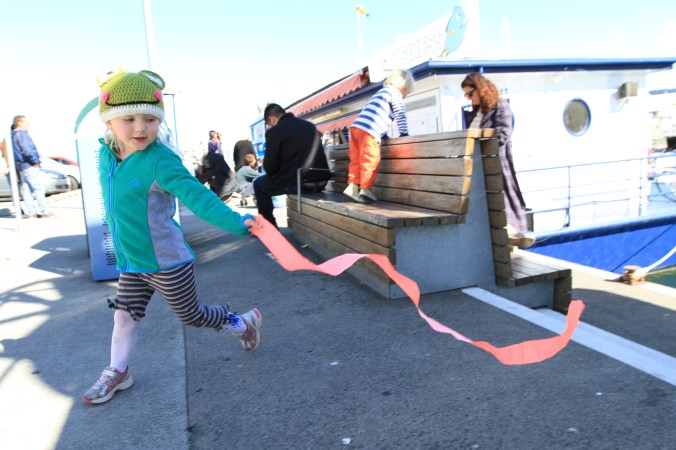
First, give the children some streamers to hold and head outside in the wind to build your wind tube. (This makes the build process a little more chaotic, but it has more impact to their learning about the wind than working inside!)

IMG_3847

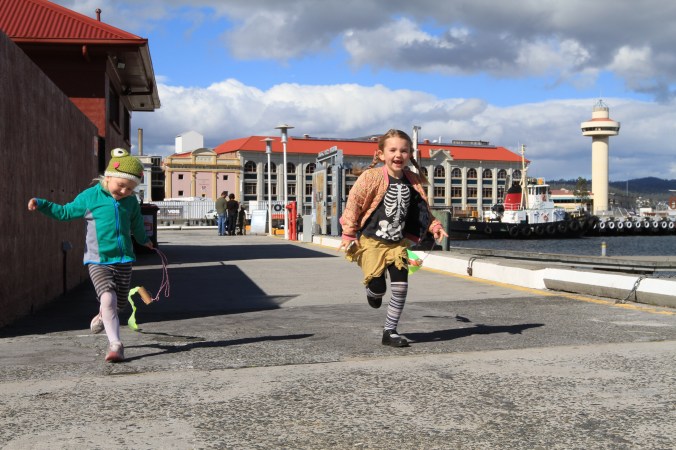
At this point the children will probably want to run wild with their streamers, so let them go!

One of my all time early childhood heros (the amazing Amanda Urquhart) showed me the best windy day activity that I have ever seen: She simply handed out streamers during outside play, and every child (at a wide range of developmental stages) was completely consumed as they invented a whole range of new play – it was beautiful to watch. It was simply the most engaging, and easy, activity imaginable.

IMG_3834

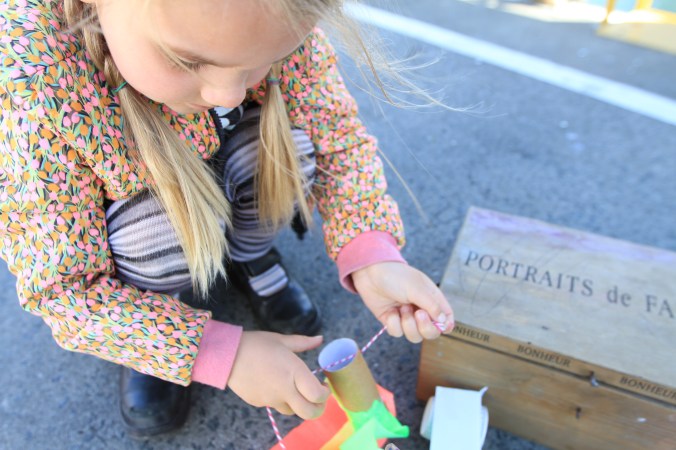
  • Once the children are ready to create their wind tubes tape the streamers to the base of the tube.
  • Decorate tube as desired (if children wish, we just wanted to fly ours ASAP).
  • Punch holes in the top and have them tie a string through the holes. (Leaving a length of string about equivalent to their height to hold their ‘wind tube kite’ with)
  • Done! You now have a wind tube ready to catch the next gust of wind that comes your way. (leaping, running, jumping and testing will follow).

IMG_3892

Once calm again, ask your tots where the wind comes from. What are their ideas?

You may like to watch this, or if you have the supplies you could conduct the experiment yourself. (Be warned, this video is a little retro, but it’s very clearly presented concept to understand where the wind comes from.

EASY ACTIVITIES TO BUILD YOUNG BRAINS: BUILD A VOLCANO!

Volcanos in the Pacific – a tactile science experiment for kids of all ages.

IMG_3162

Wallis and Futuna are two small island groups in the South Pacific between Fiji and Samoa that were settled by French missionaries at the beginning of the 19th century. It is now classed as an “Overseas Territory” of France and there are 3 kings who assist in rule with a parliament of 20. While Wallis and Futuna are not necessarily a “country” in a technical term, they do have one very exciting element that can’t be missed in any child’s upbringing… Volcanos!
Futuna in particular is a volcanic island, and thus we can’t pass up the opportunity to bring out the baking soda and vinegar experiment that we all loved so much as children.

IMG_3134

Now, if you need a refresher on volcanoes (also linking up that big picture by making clear links to the work we’ve been doing around the sea and space) then check out this video (with or without your child, depending on how old they are and how much they watch).

The video will run you through how to create your volcano (instead of building one you may wish to do it at the beach with a sand volcano with bottle inside, though our little group enjoyed the measuring, mixing and making of the volcano just as much as the actual eruption.)

IMG_3196

When you conduct this experiment, you may wish to focus entirely on the power of volcano’s to form the land (such as the islands Wallis and Futuna) but if you have a budding chemist in your group, then you might want to take it further and conduct a series of volcanic experiments to asses the chemical reaction in their own right. Ie Bicarb and water (no visible reaction), Bicarb and vinegar (bubbles), Mentos and diet cola (explosive bubble reaction).

Ask kids to predict what they think will happen in each instance, hypothesise what the reason is for the different reactions and realise that there is nothing “wrong with being wrong” in science (A negative result tells you as much as a positive one!)

IMG_3205

Having read a little about chemicals with the 5yo, I was surprised that she later formulated a hypothesis about the volcano that was quite accurate; She thought that there was a chemical reaction that made a gas and that created the bubbles that she saw. While this is probably not going to be a fact that she remembers later, the process of linking known information and apply it to new situations and observations to form a new hypothesis is something we want to encourage at every point possible on the road to adulthood!

IMG_3252

We’ll later have a little road trip to look at more detail about where the heat for real Volcanoes comes from, but this little science experiment is a great place to get those little scientists thinking!

EASY ACTIVITIES TO BUILD YOUNG BRAINS: LIFE SIZED MERMAID PORTRAITS.

Mermaids are not historically a very good female representation for my young kids (creatures who use their physical beauty and singing voices to lead unsuspecting love struck men to a watery death) and while there is less death in the contemporary versions, Mermaids today are certainly not much better in terms of an example for my kids to model their understanding of the world and relationships!

IMG_3290

My children however love the whimsy of mermaids, and while it’s a parents job to guide their kids interests to a certain degree, it is also my responsibility to follow their passion and use it to our learning advantage. This is a simple little bonus activity for anyone else who has children who love the watery depths at a fictitious level.

IMG_3284

Me as a mermaid:

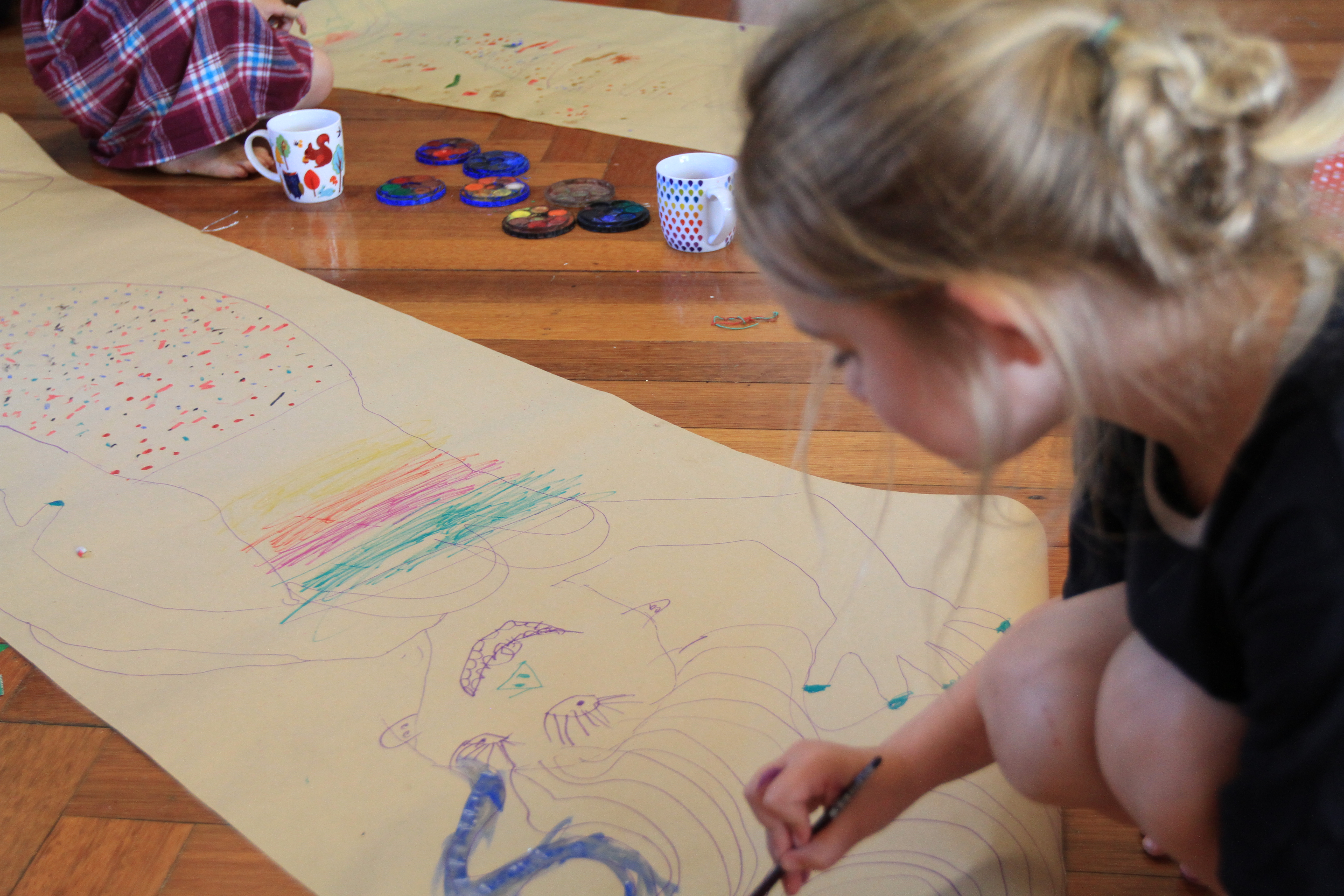
Have child lay on a large piece of paper (we used brown wrapping paper to get the length)

Trace around upper body.

Finish lower body with a fish like tail.

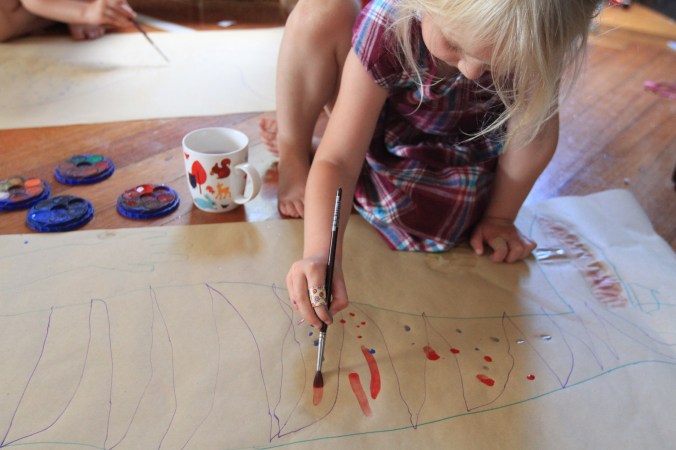
Draw, paint and decorate with sparkly sequins and glitter.

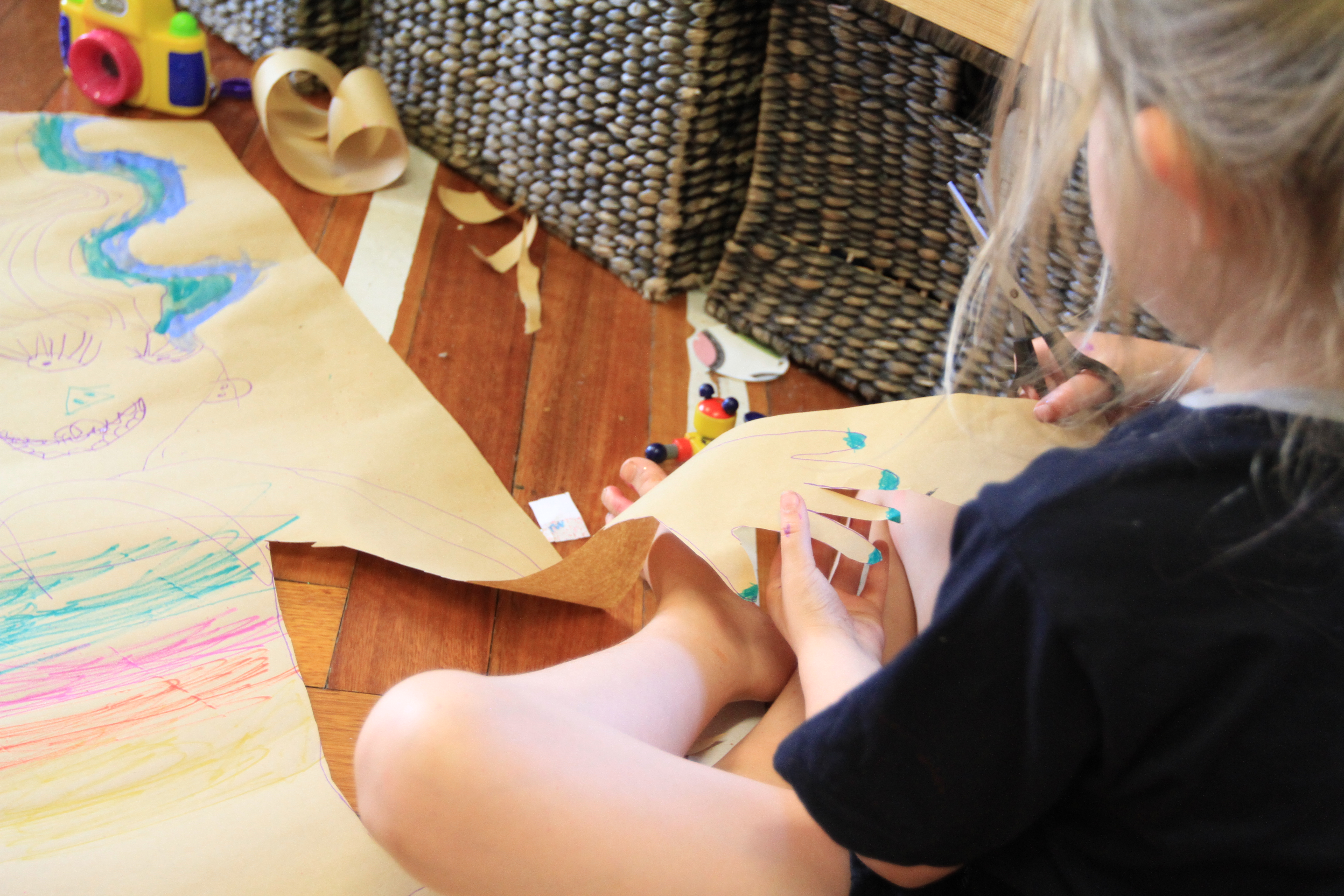
Cut out and hang in your living room for all the world to see.

IMG_3347

As we decorated our mermaids we sung “Yellow Submarine” (the closest thing I know to a sea shanty) and introduced a few of the historical ideas about the stories sailors told of mermaids. We questioned whether mermaids are fact or fiction (50/50 votes in our house), and we looked at a number of historical drawings of the creatures. (By chance I have inherited a book that tracks the art depicting mermaids through the centuries, though similar resources would also be available at your local library.)

NOTE: Yes, I know it’s a stretch to include mermaids under the letter S as a “Singing Siren from the Sea,” but with all this Sea action – some “W= whales and water” to follow – and a little “O= octopus in the ocean” after that – Mermaids had to come now so they could swim in the watery depths with the other sea creatures.

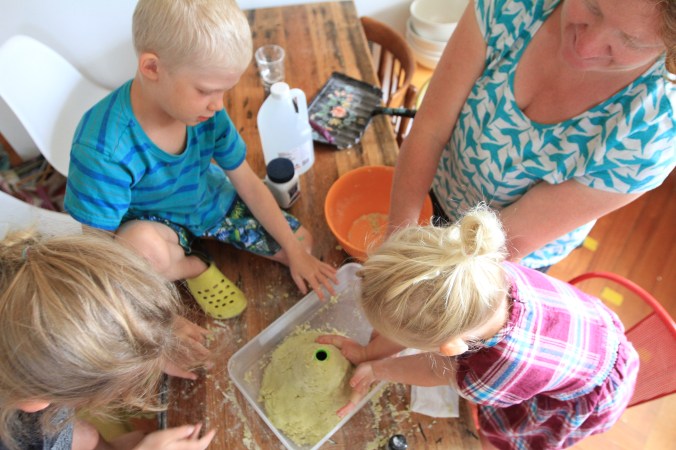
EASY ACTIVITIES TO BUILD YOUNG BRAINS: STARDUST PLAY DOUGH GALAXY.

IMG_3493

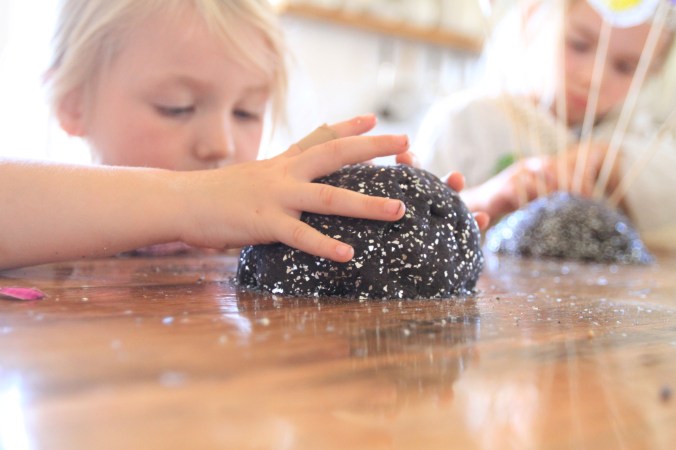
We’ve talked before about the benefits of cooking with children, and we all know the benefits of playing with dough… adding a little glitter to your next batch of playdough just brings a bit of sparkle to the imagination (and the kitchen!)

IMG_3382

Use your standard play dough recipe.

I use the one below, though any will do:

  • 2 cups plain flour
  • 1 cup salt
  • 4 tbs cream of tartar
  • 2 tbs oil
  • 2 cups [boiling*] water

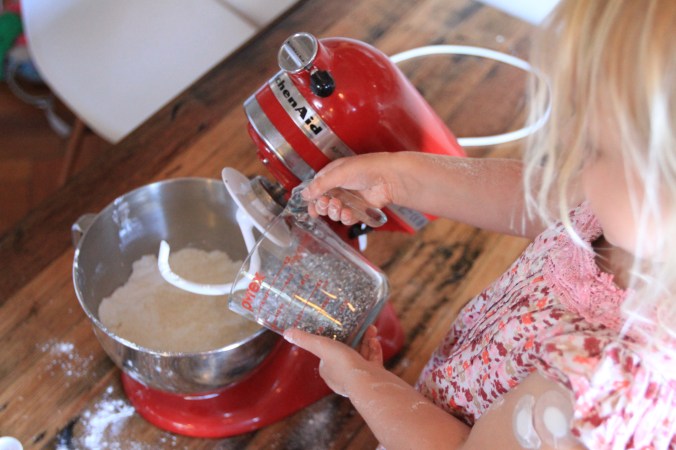
Then to create ‘ stardust playdough’ simply add the left over glitter from your sparkle writing tray, and a splash of black food colour.

IMG_3387

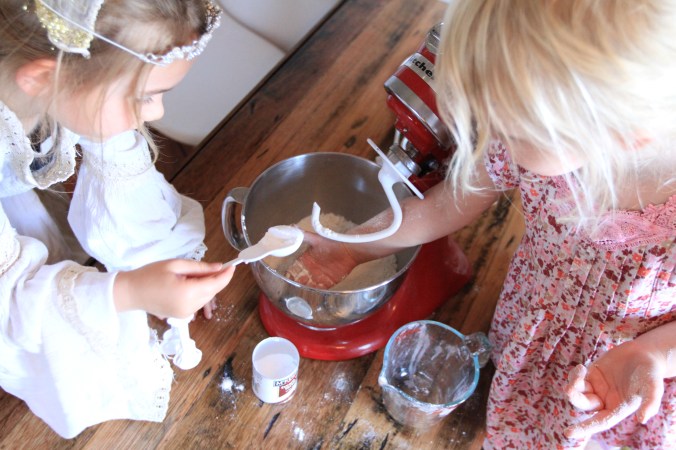
*Due to laziness I personally opt to boil the water before adding to the mix, thus I don’t need to stir a hot pot on the stove, but instead just leave it churning in the mixer until it is fully combined. I find this better for my own process, but also easier for the kids to be involved. If a little sticky I add a pinch more flour until it reaches the right texture.

IMG_3403

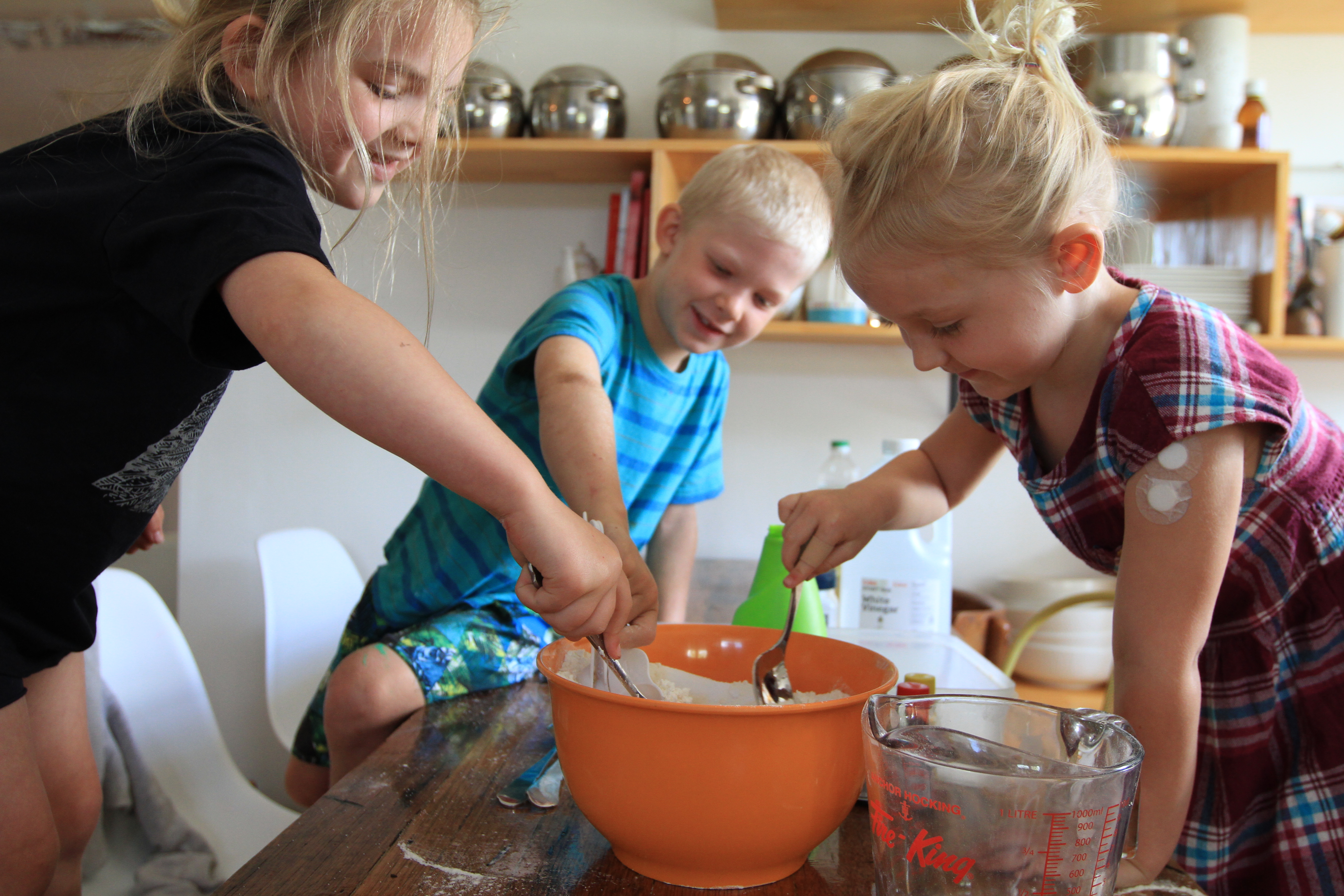
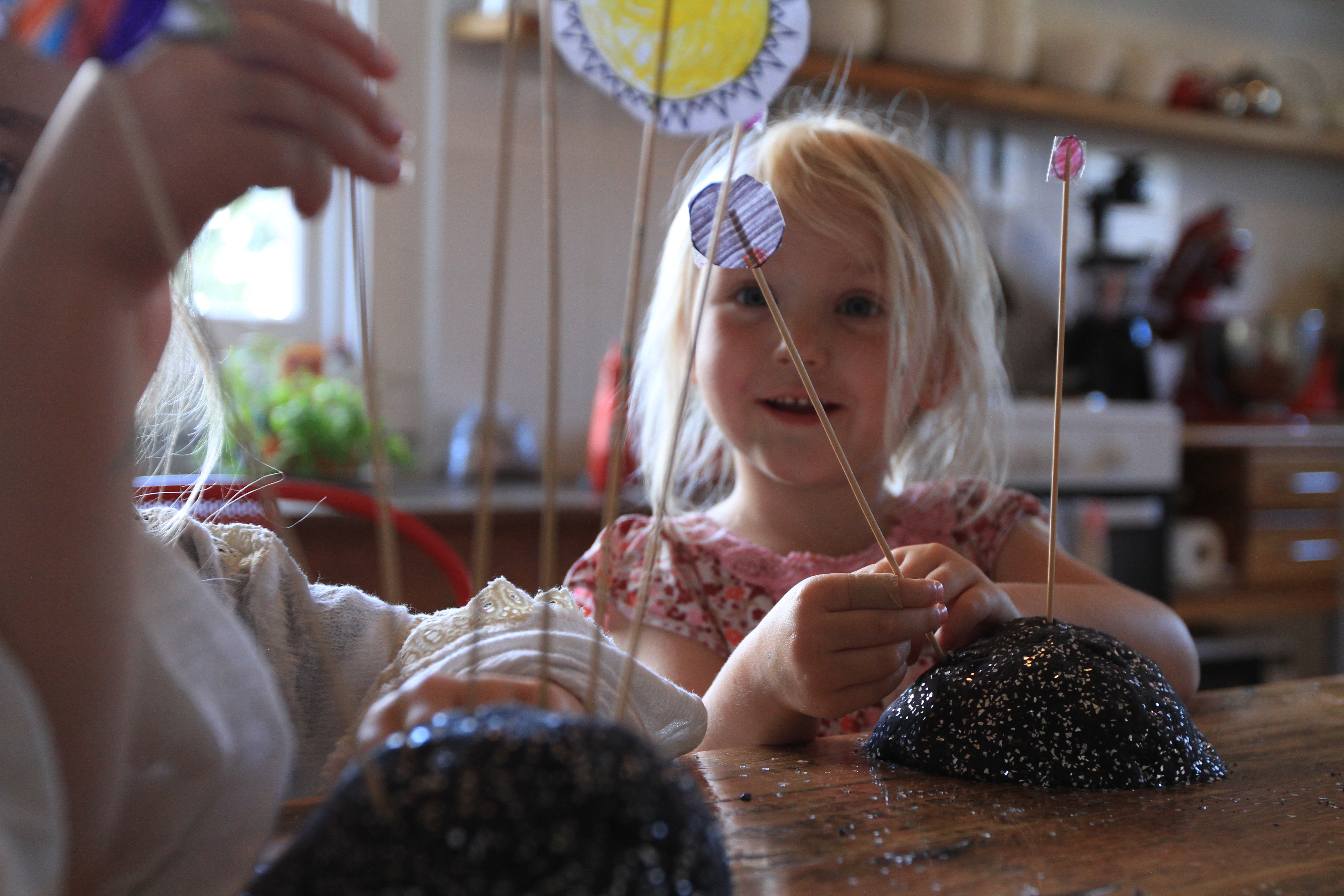
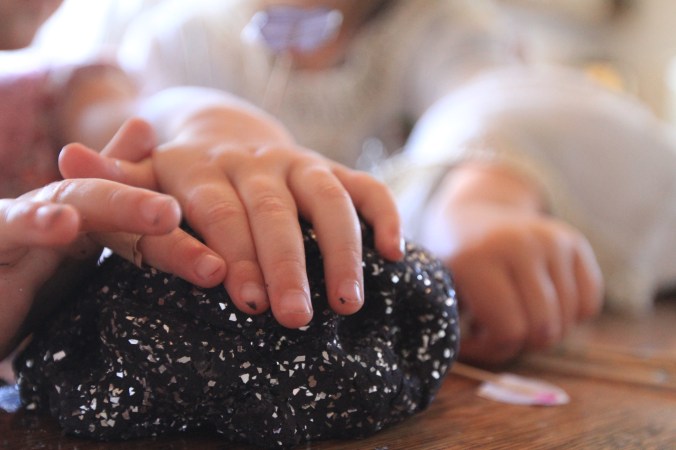
After mixing give the dough to the children so they can get those little fingers working while they finish kneading the still warm dough (I’ve found kids explore the warm dough differently to once it is cold). Then simply let them go wild with what ever their minds dream up. We chose to bring out our planets from our solar system adventure so the older created a mini solar system in her dough, while the younger acted out scenarios between the planets.

IMG_3481

Once you have finished with the playdough remember to wrap it so that you can use it for many days to come. There will be a bit of glitter lost each session, but I think the delight of playing with it is worth a few extra sparkles floating around the house.

EASY ACTIVITIES TO BUILD YOUNG BRAINS: A SCHOOL OF [GUM LEAF] SARDINES.

Shiny silver sardines swimming above your head certainly enhances the feeling of being under the sea! This fun little activity only takes a moment and will have you (and your kids!) day dreaming like a baby as you watch them turn gently in the breeze.
IMG_2993

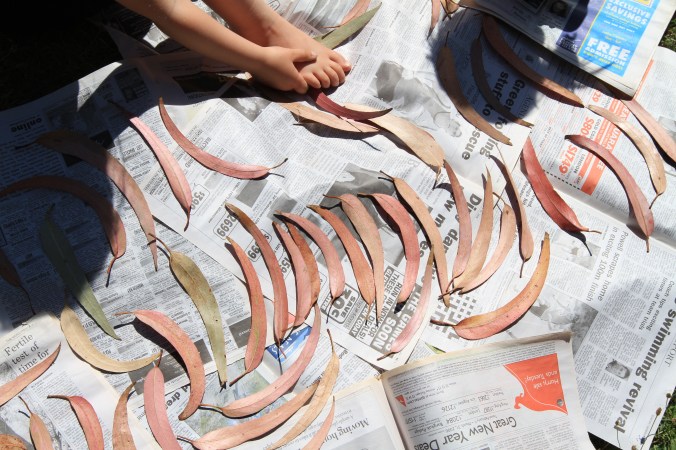
Next time you are near a gum tree take a moment to gather a collection of dry leaves. If your children are anything like these two you should allow at least 20 min for this activity – collecting is one of our favourite things to do right now!

IMG_3001

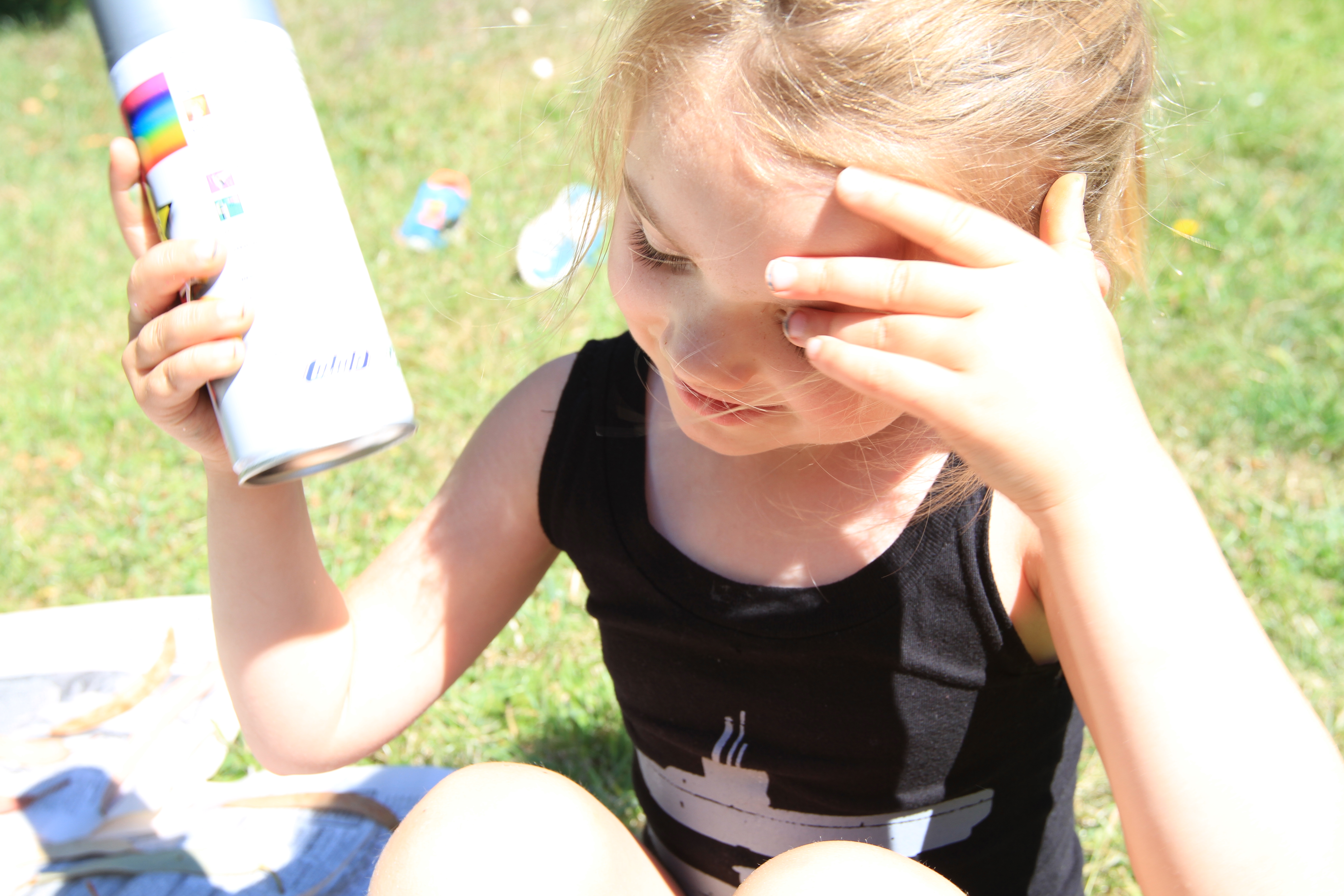
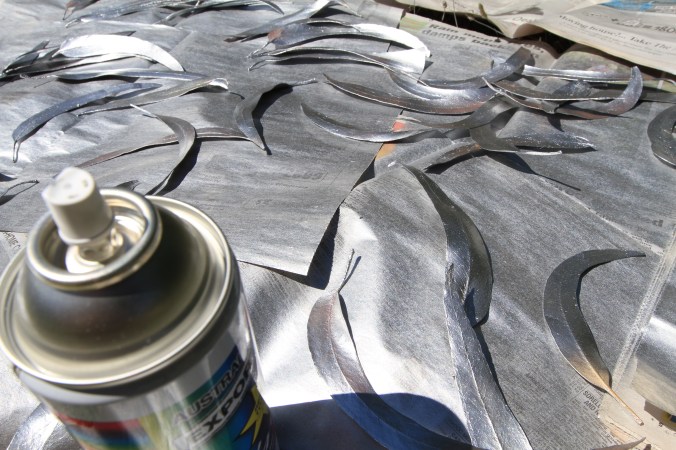
Lay your leaves outside and paint both sides (we chose silver spray paint due to the vast quantities of leaves that we collected, though your tot may wish to paint each with a brush instead – or at least wear a safety mask, as not shown in our image!)

IMG_3009

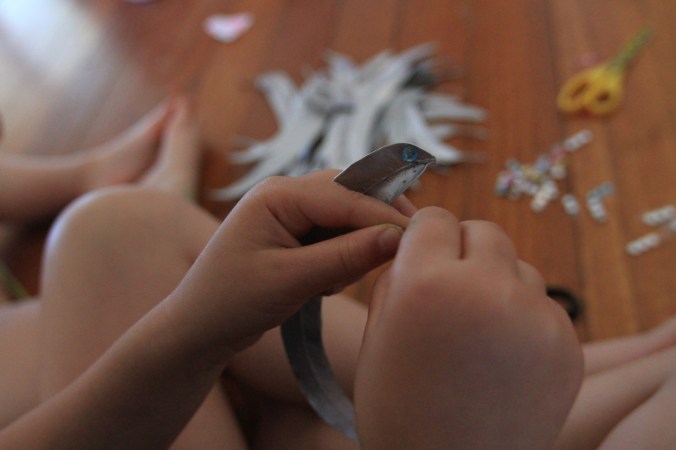
Once dry simply remove the stork and add a small eye to each side (as shown in the picture). This is the point where we found the most imaginative play was had, as more fishy friends were created to join the school and have adventures together. IMG_3018

If you wish to hang your fish as a mobile then attach some cotton (or fishing line!) to the balancing point of your fish and suspend! As we move into W on Wednesday we’ll start looking at water and whales and we should have an entire underwater landscape developing.IMG_3012

EASY ACTIVITIES TO BUILD YOUNG BRAINS: BUILD A SEAHORSE SCULPTURE

Remember how we started looking at Seahorses as our feature animal, then built a Giant Seahorse Sand Sculptures?

Now… Are you ready to get sticky? This one takes a few sessions to finish, but if your little one likes to get into some papermashe (or is as excited about seahorses as mine are) then it’s worth the mess.

Grab:

  • 2 balloons,
  • A cardboard tube
  • Old newspaper
  • Coloured paper and/or paint
  • Tape
  • PVA glue
  • 2 googly eyes

IMG_3100Blow up your balloons (one for the tummy, then the other about half the size for the head – as shown in the image above).

Tape your cardboard tube snout to the smaller head balloon,

Then tape your head balloon on top of your tummy balloon.

All it needs now is a tail! Role up some news paper to make a tail (full length of paper, it will look too skinny for now, don’t bother sticking it on yet).

To bulk out the top part of the tail (where it will join the body) scrunch up some more paper and then wrap it in a larger sheet and hold with tape. (So you have the long tail you originally made running through the middle, some bulky scrunched newspaper around the top part of it, and then a sheet holding it all together like wrapping paper.

Stick this tail to your seahorse balloon body. Yay, you have a seahorse shape!

IMG_3116

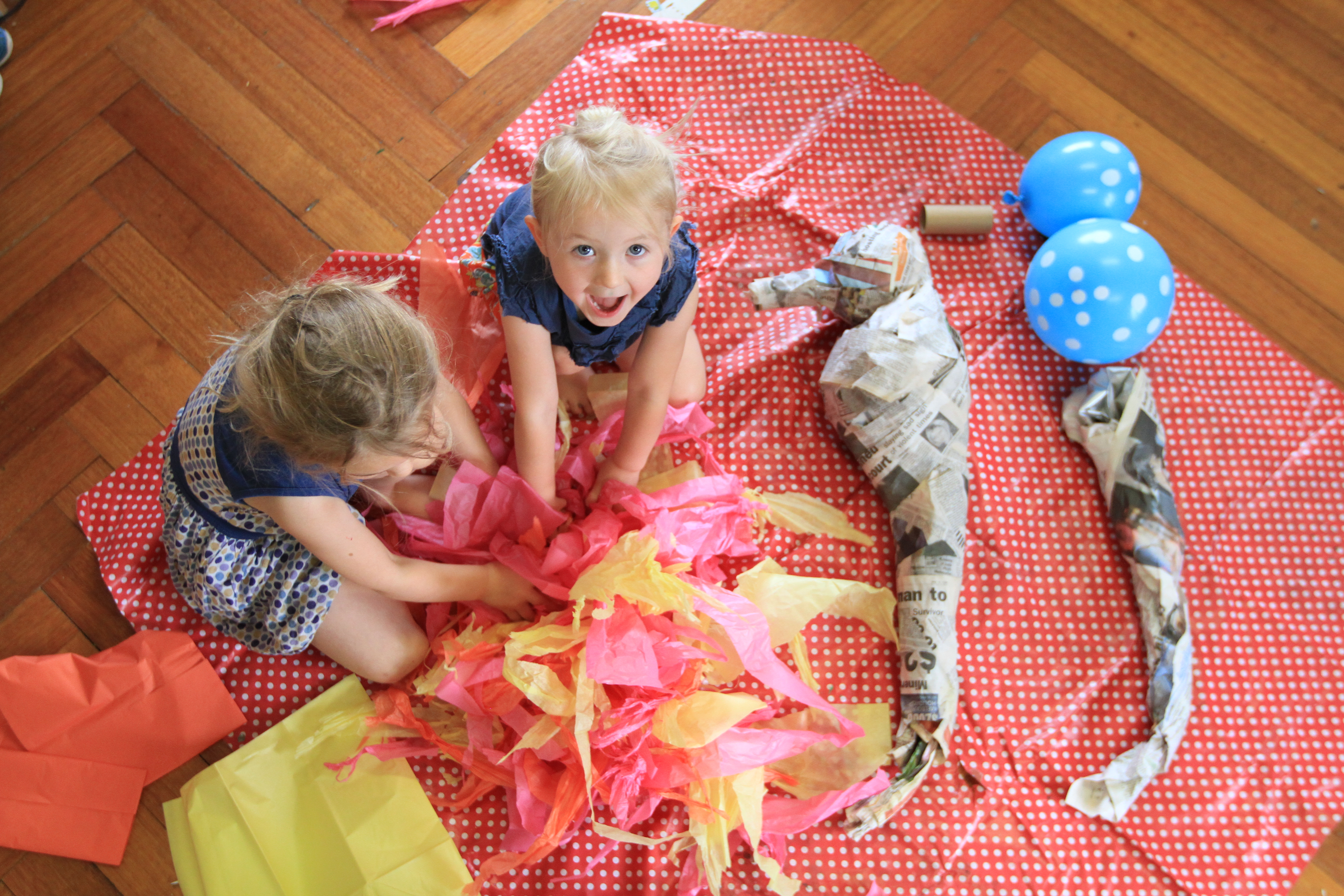
Now to get messy and reinforce that seahorse.

Mix about 50/50 water and PVA glue in a bowl (this will be very runny, that’s a good thing.)

Tear newspaper into strips. (Every child will love this part!)

Dip a strip of newspaper into the glue mixture, let it drip then put it on the seahorse.

Simply repeat this process until the entire seahorse is covered in strips of wet glue. (Overlapping as much as possible for strength.)

Hang to dry for at least a day. (Dry time will depend on how thick you layered the paper). I also suggest popping a tray under your hanging seahorse while it dry’s (as it will likely drip a bit to start with.

Once dry tap to see if it feels hard enough. If not repeat the sticking and drying until you have a strong seahorse. (How many layers you need will depend on how thick you layered the paper, we did 2 layers including the coloured paper.)

FullSizeRender

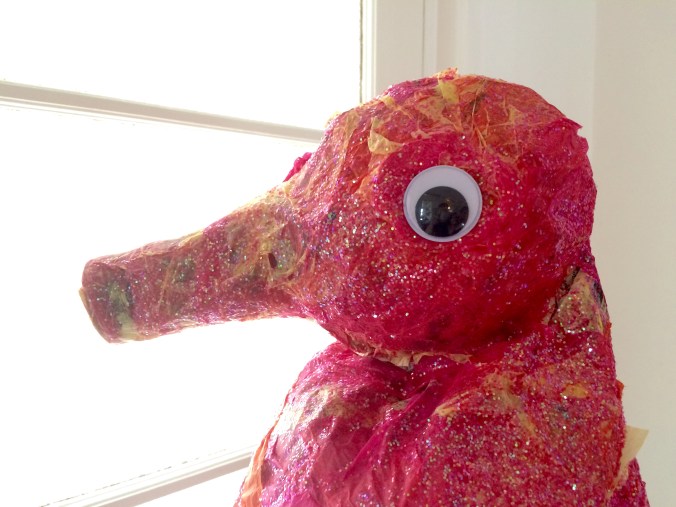
Now decorate your seahorse as you wish. One child voted painting, the other voted coloured paper mashe – so we did both. Glitter was decided to be also a necessity in our seahorse creation.

We work on a plastic mat, keep a pack of wipes near us, and go with the attitude that mess is part of the game. However, if mess is something that makes you feel anxious, then do this one when you have an extra pair of adult hands or you might even feel better doing this one outside. Either way, there will be a bit of mess involved in this activity, so do it on a good day!

EASY ACTIVITIES TO BUILD YOUNG BRAINS: MEASURE OUR GALAXY.

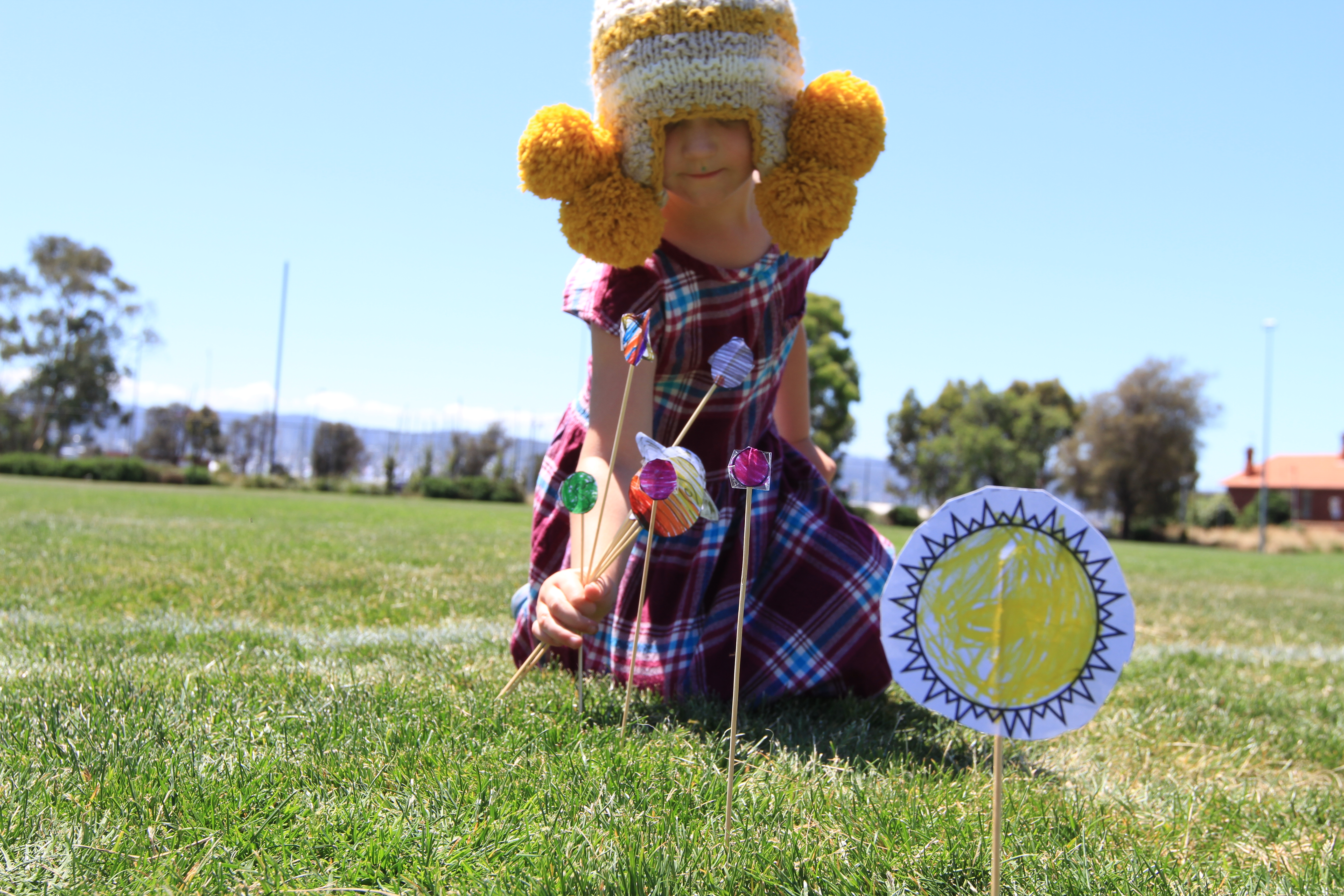
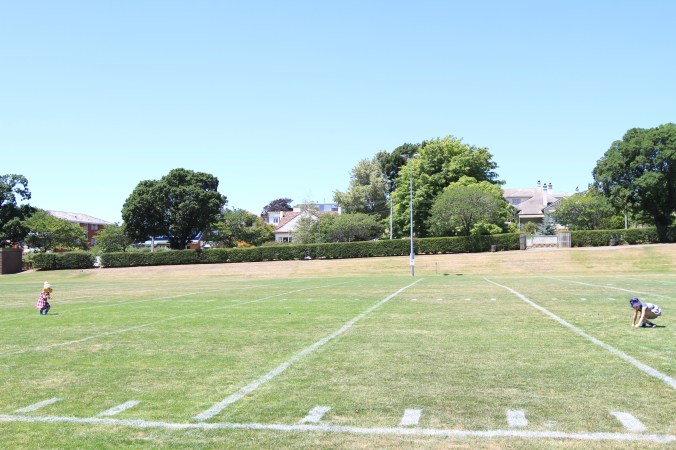
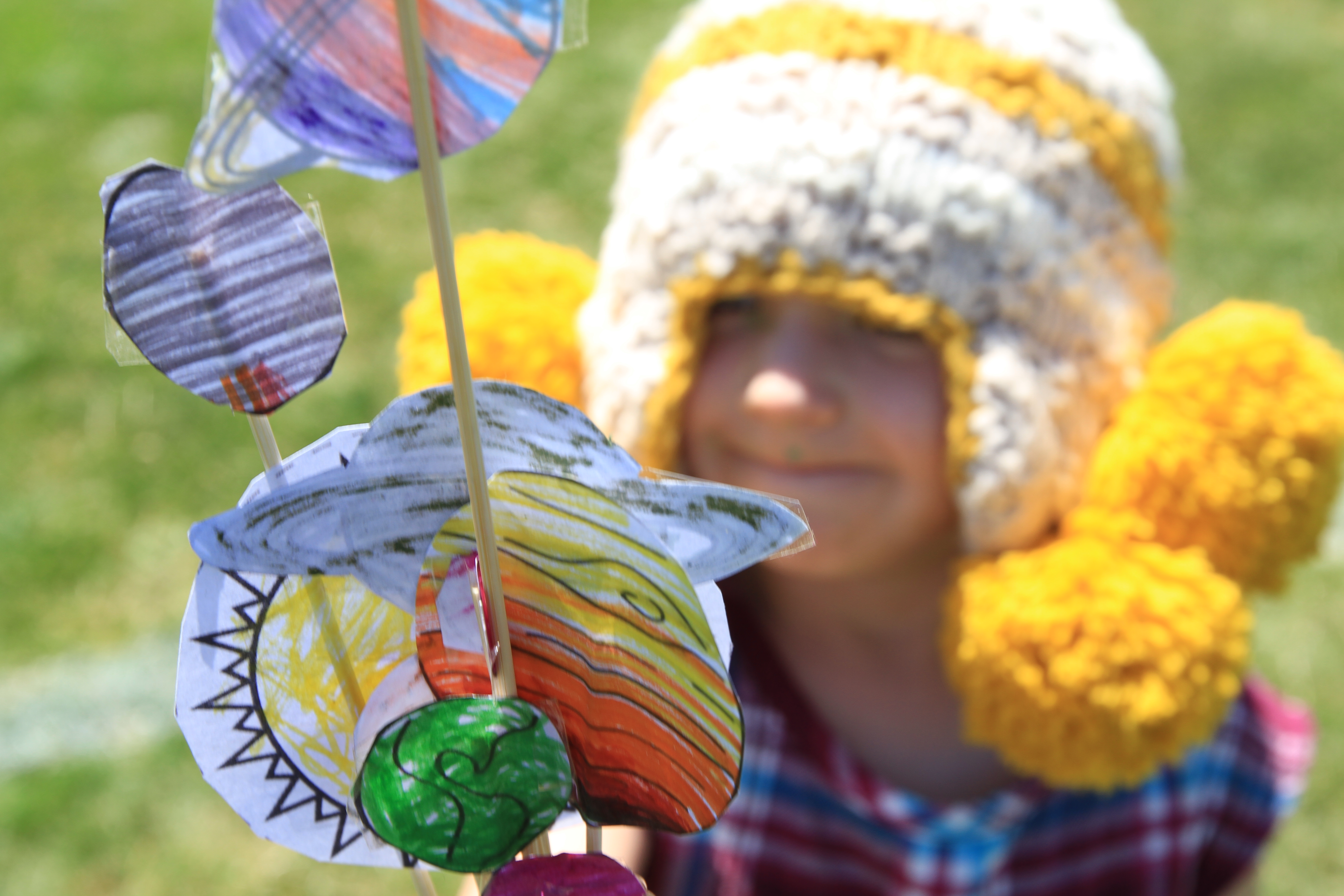
IMG_3055 Now, you’ve made a solar system – let’s get some idea of how vast that solar system is… for this you will need a wide-open space and some skewers. Initially we printed little planets for colouring. (Alternatively you could bring the solar system that you just made, but with a little wind in the air we thought it safer to opt for the smaller representation of each planet!) Attach each planet to a skewer with tape and head to a wide open space (we went to the local sports field). Place your sun in the centre of the field and begin to measure your planets. For accurate measurements of the distances between planets you can look here. We chose to be more approximate in our own measurements, with ‘kids steps’ as our form of measurement, and the furthest being 30 steps from our sun (to allow for shorter counting attention span of the 3yo!) IMG_3042 Each time you pace out your planets, place your skewer as a marker. You should end up with a little gathering of planets near your sun, then some so far away that you can barely see them! (Well, 30 large steps away at least!) Before you head out you may like to watch this demonstration that I was delighted to find (after doing ours, but still great to watch!) – he did it on a slightly larger scale but has some great facts about the planets that you might like to include when you are doing it with your young ones. Once all in place have a look at how long it takes to walk around the sun if you were Venus, or perhaps Mars… now how long does it take to you to move around the sun if you were Neptune! (See Neptune (3yo Elka) taking a bit of a shortcut as she orbits the sun (5yo Anica) below) IMG_3052 Depending on your young ones you may like to talk about how our Earth year is determined by a rotation around the sun. (We will be looking at weather a little shortly, so we’ll answer some of those seasons questions in the coming week!) – and make sure you bring your planets home again, they will be useful for our upcoming galaxy play-dough! IMG_3066